
GGF drives Tanzania’s green growth through four complementary work streams:
Carbon markets – to create new revenue streams and climate finance flows.
High-value crops – to strengthen productive sectors and export competitiveness.
Technical assistance facility – to build capacity, de-risks enterprises and improve investment readiness.
Investment capital – to unlock and deploy private capital at scale.
Our investment capital activities are delivered through Invest for Impact Tanzania (IIT) and can be read about here. Read on to learn about our other work streams.
Carbon markets
High-value crops
Technical Assistance Facility

Carbon markets
GGF is enhancing Tanzania’s carbon market by supporting technical innovation, enhancing the commercial resilience of carbon project developers, fostering public-private cooperation, and strengthening the policy and regulatory framework. We currently have three active partnerships:
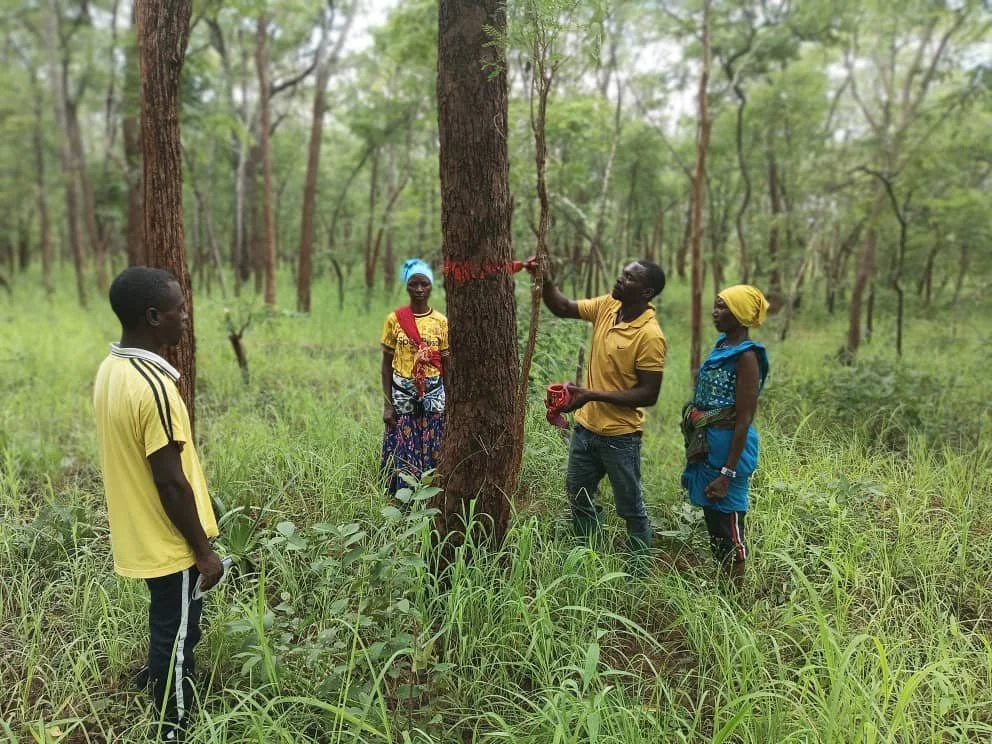
Incentivising forest conservation thorough village-level carbon payments
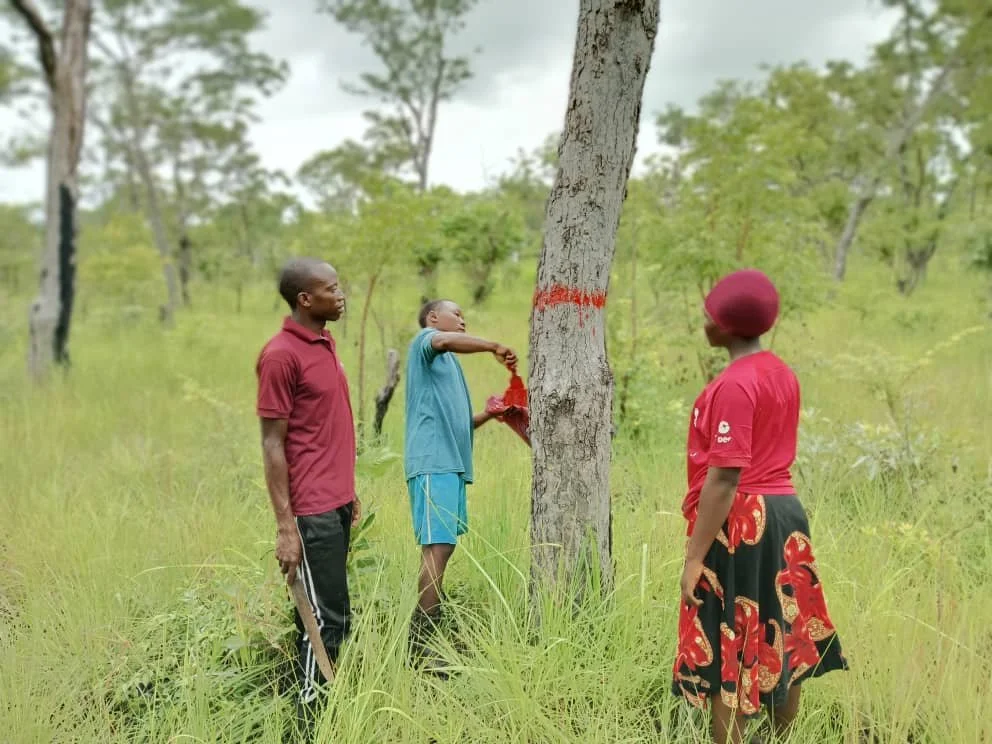
Around 40% of Tanzania’s forests are located on village land, where deforestation pressures are high. Forests are more likely to be protected when communities directly benefit from them, and carbon markets create that incentive by linking verified emissions reductions to performance-based payments. Since 2024, GGF has supported Village Climate Solutions to develop a community-led forest carbon project – strengthening governance, monitoring, technical capacity, and preparing activities for verification and credit issuance. In 2025, GGF’s support helped communities protect > 345,000 hectares of forest across Lindi, Mtwara, and Morogoro. GGF also supported VCSL to secure an independent project rating, providing buyers with assurance of quality and integrity.
Catalysing a new carbon-sequestration industry for Tanzania
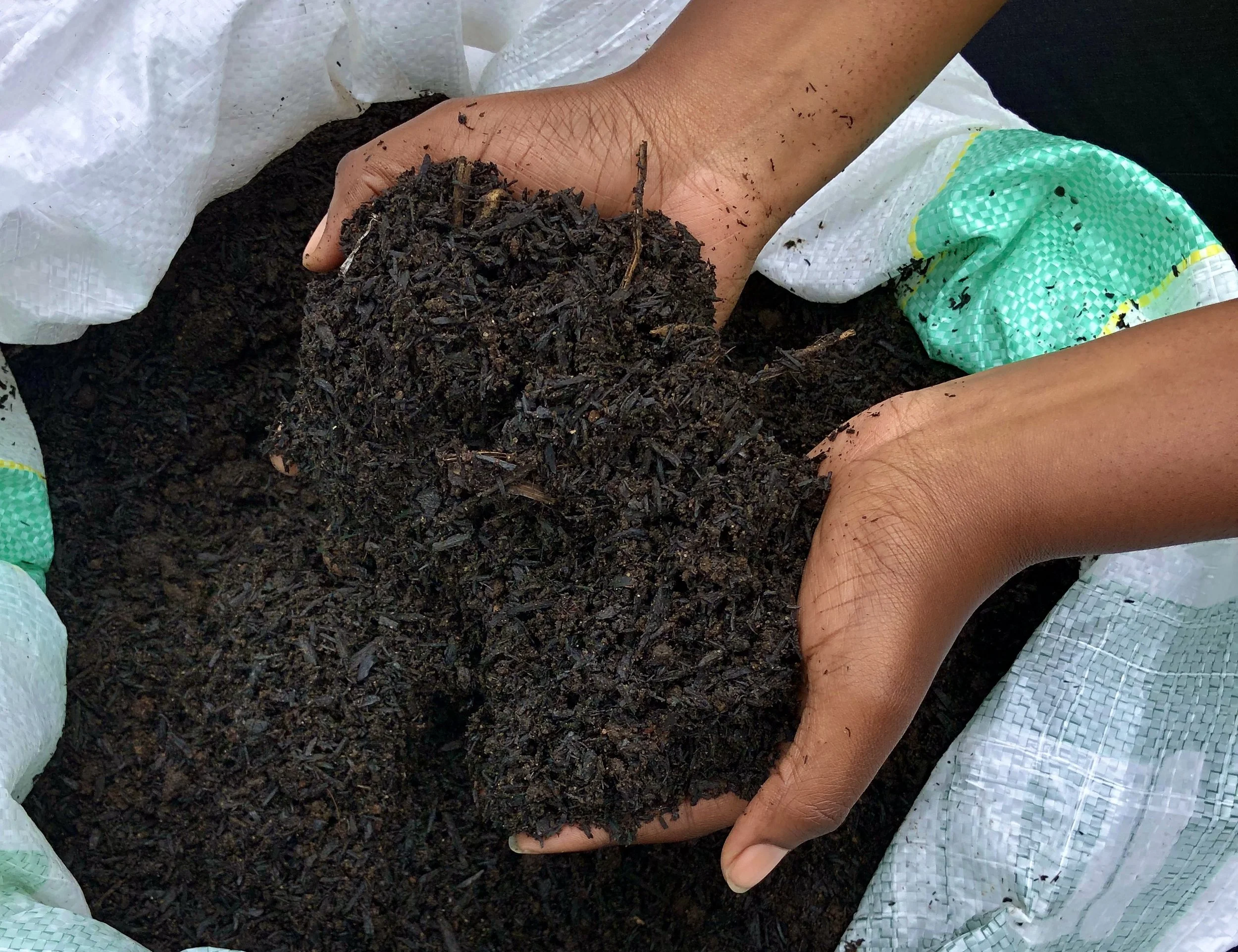
Biochar is a stable, carbon-rich material produced from biomass waste that can lock carbon away for centuries while improving soil fertility, water retention, and crop yields. Despite its potential, biochar production in Africa remains at an early stage, constrained by high capital costs, technical complexity, and limited access to finance.
Dark Earth Carbon (DEC) is addressing these barriers by combining industrial-scale biochar production with carbon finance. In 2024, DEC launched Tanzania’s first industrial biochar facility and issued East Africa’s first industrial biochar carbon credits, validating its model. By linking fertiliser sales with certified carbon removals, DEC demonstrates a scalable approach to climate mitigation and inclusive agricultural growth.
Strengthening Carbon Project Readiness and Market Access
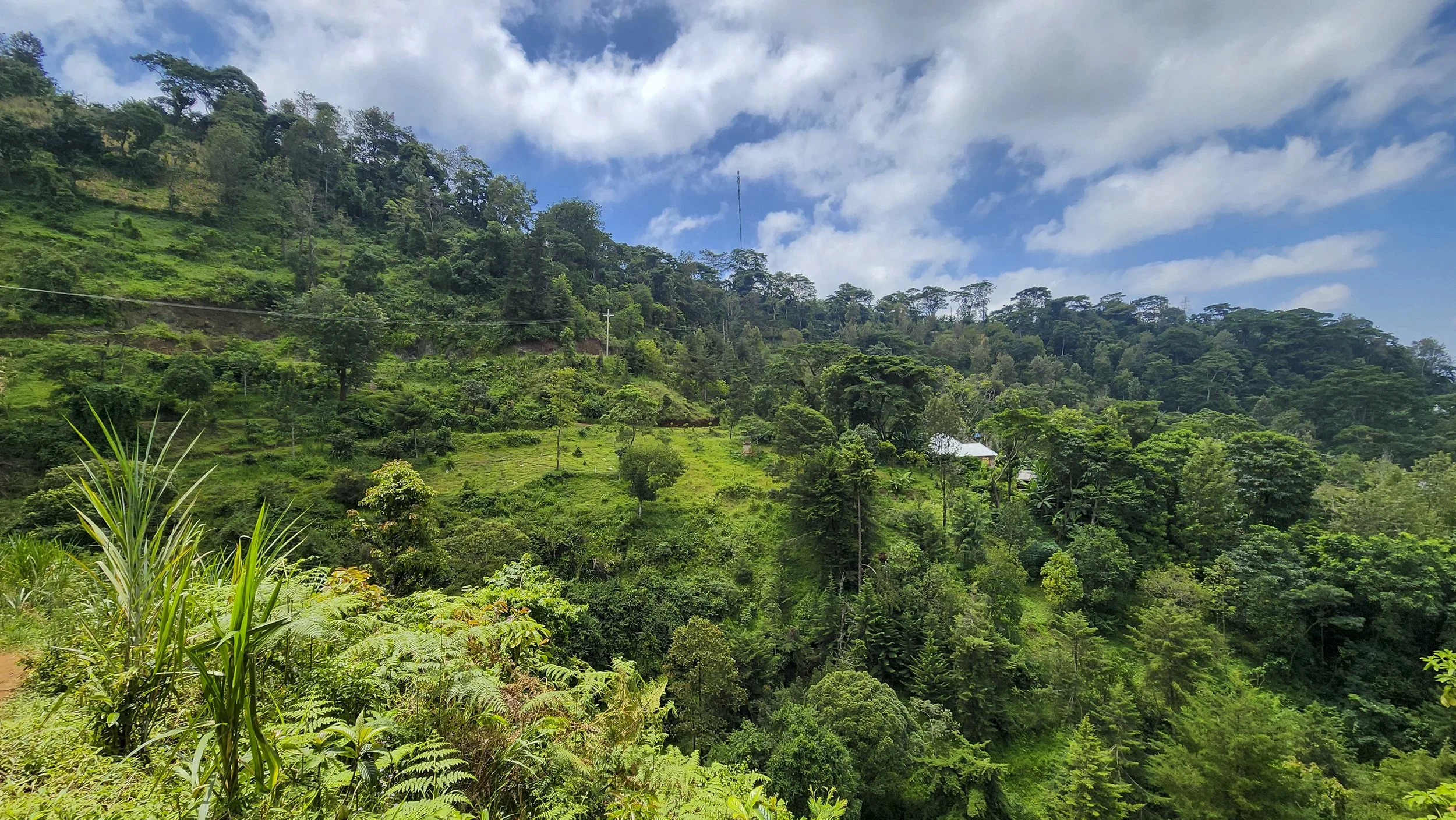
A well-functioning carbon market needs effective coordination, shared learning, and inclusive participation. GGF fosters collaboration among carbon project developers through structured knowledge exchange, technical trainings, and dedicated platforms for dialogue. This support enhances sector coordination, promotes peer-learning, improves transaction readiness and builds the capacity of emerging Tanzanian-owned organisations to participate and compete effectively in the market. GGF also connects Tanzanian project developers with international carbon investors and buyers. By building trusted relationships and increasing market visibility, these connections expand access to finance for high-quality carbon projects in Tanzania.
Read our 2025 overview of Tanzania’s carbon market here.
High value crops
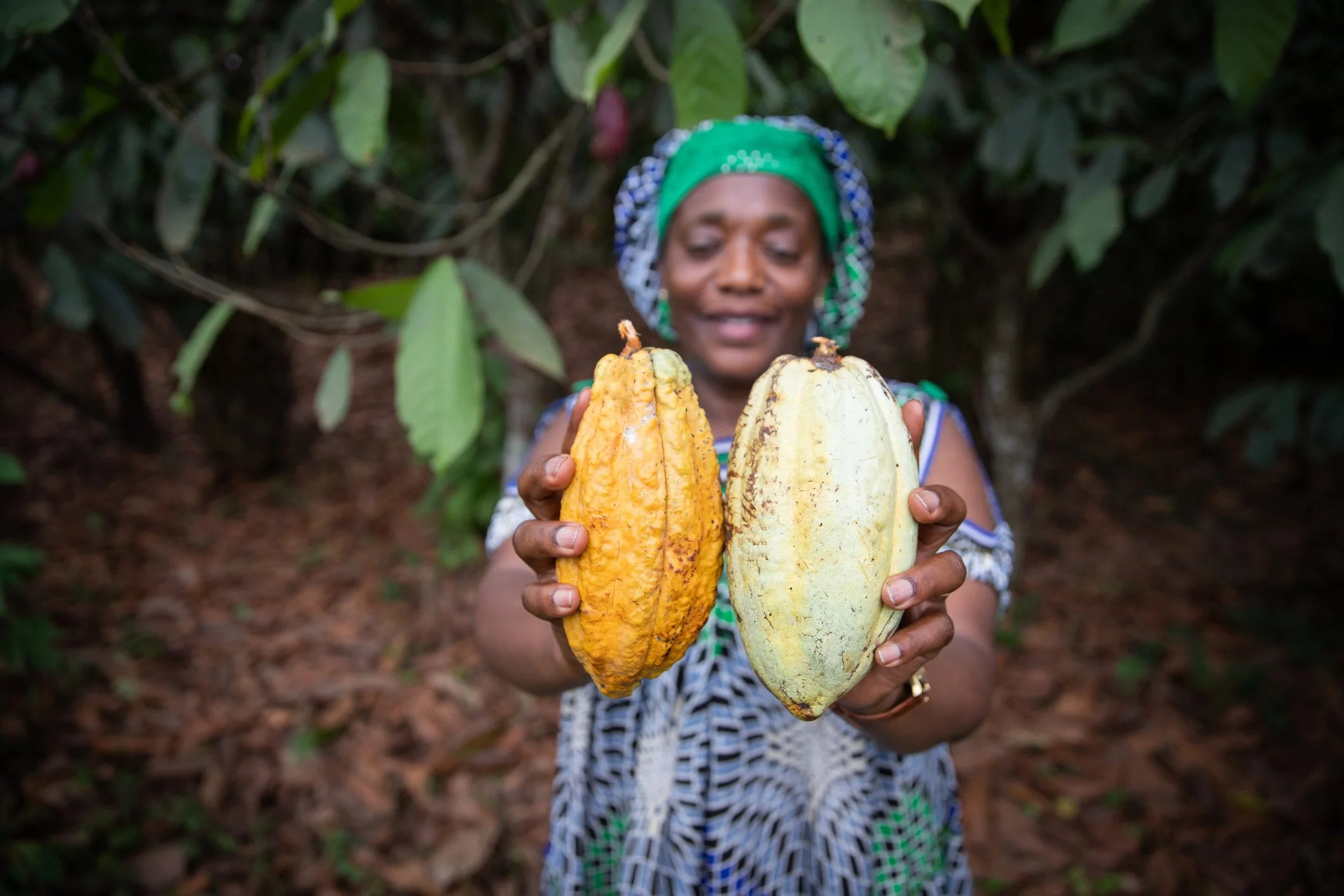
GGF is focused on developing Tanzanian supply chains, and boosting sales of high-quality, high-value foods to high-income markets. We currently have three active project partnerships:
HEAP: driving horticultural growth and market access
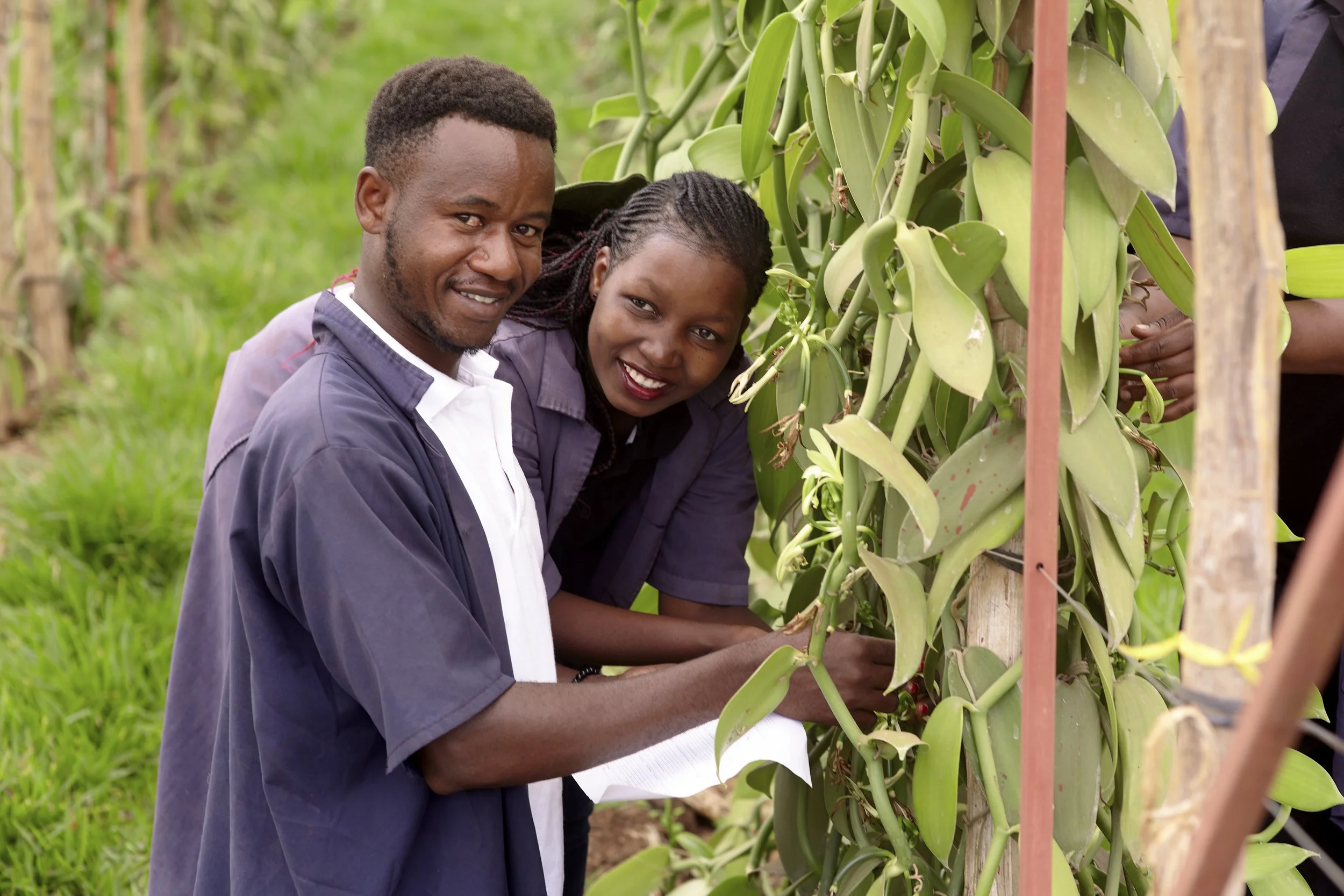
Tanzania’s horticultural sector is the country’s leading agricultural export earner, generating over USD 564 million annually. However, its full potential remains constrained by market and supply-chain barriers that limit access to premium markets in the UK, EU and beyond.
Through the Horticultural Export Accelerator Programme (HEAP), GGF partners with TAHA and the Tanzanian High Commission in the UK to help exporters overcome these barriers and access higher-value markets. Our interventions help build direct relationships with buyers, diversify export destinations, and strengthen exporter readiness through standards, certification, and business development support.
Unlocking premium markets through export certification
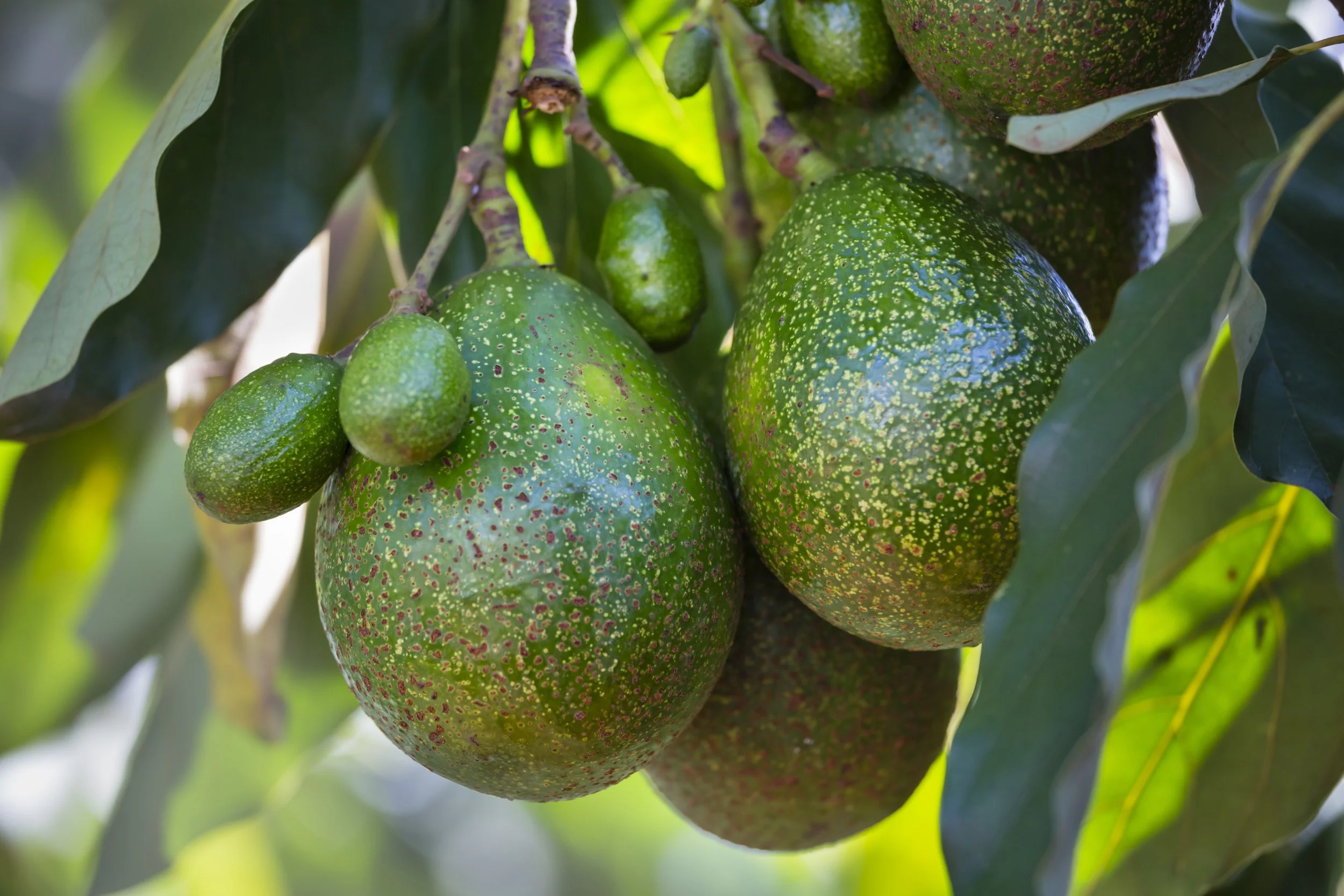
In recent years, Tanzanian exporters have strengthened compliance with mandatory regulatory standards, building a solid foundation for growth. The next critical step is expanding compliance with private voluntary standards, which can unlock access to supermarket supply chains and premium contracts in the UK, EU, and beyond. GGF’s Export Certification Support Facility supports this transition by equipping exporters and farmer-suppliers with the certification, systems, skills and confidence needed to compete in higher-value markets. The facility drives systemic change, strengthening domestic auditing and training capacity, making certification more accessible and affordable, and promoting resilience and climate-positive practices.
Boosting High-Value Exports Through Accredited Laboratories
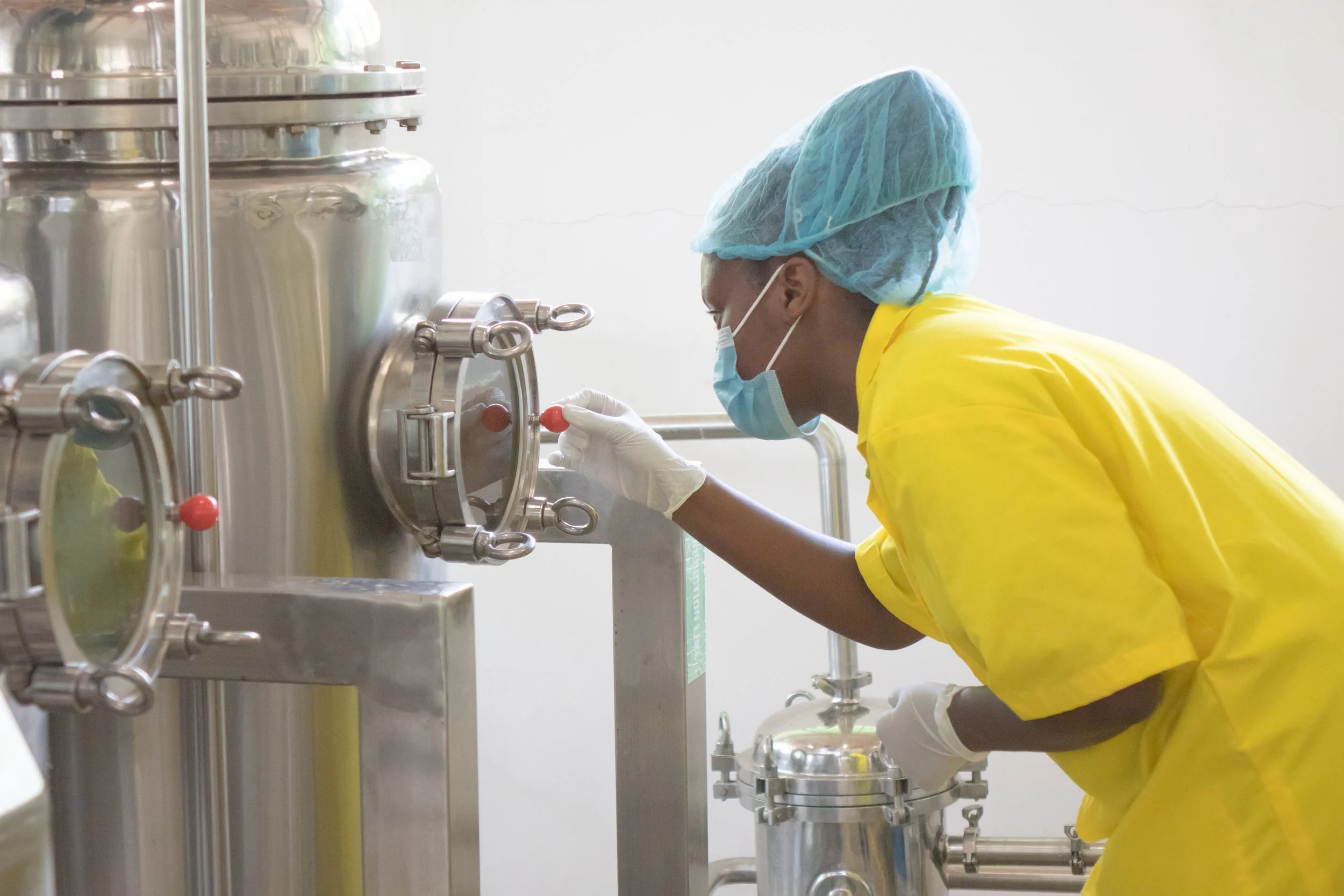
GGF is partnering with TAHA’s GreenCert, Match Maker Associates, and the WTO Standards and Trade Development Facility to establish internationally accredited private laboratory services in Tanzania. These ISO/IEC 17025-accredited labs will enable exporters of high-value crops to comply more easily with private voluntary standards (Fairtrade, GLOBALG.A.P., BRCGS, LEAF etc.), and unlock access to premium international markets. Domestic accredited laboratories are expected to reduce testing turnaround times from 2–3 weeks to 2–3 days and cut costs by up to 50%, boosting Tanzanian competitiveness while supporting jobs, inclusion, and environmental sustainability.
Technical Assistance Facility
The TAF provides technical assistance to short term projects that promote prosperity and climate resilience. We have two active interventions:
Strengthening public-private partnerships (PPP)

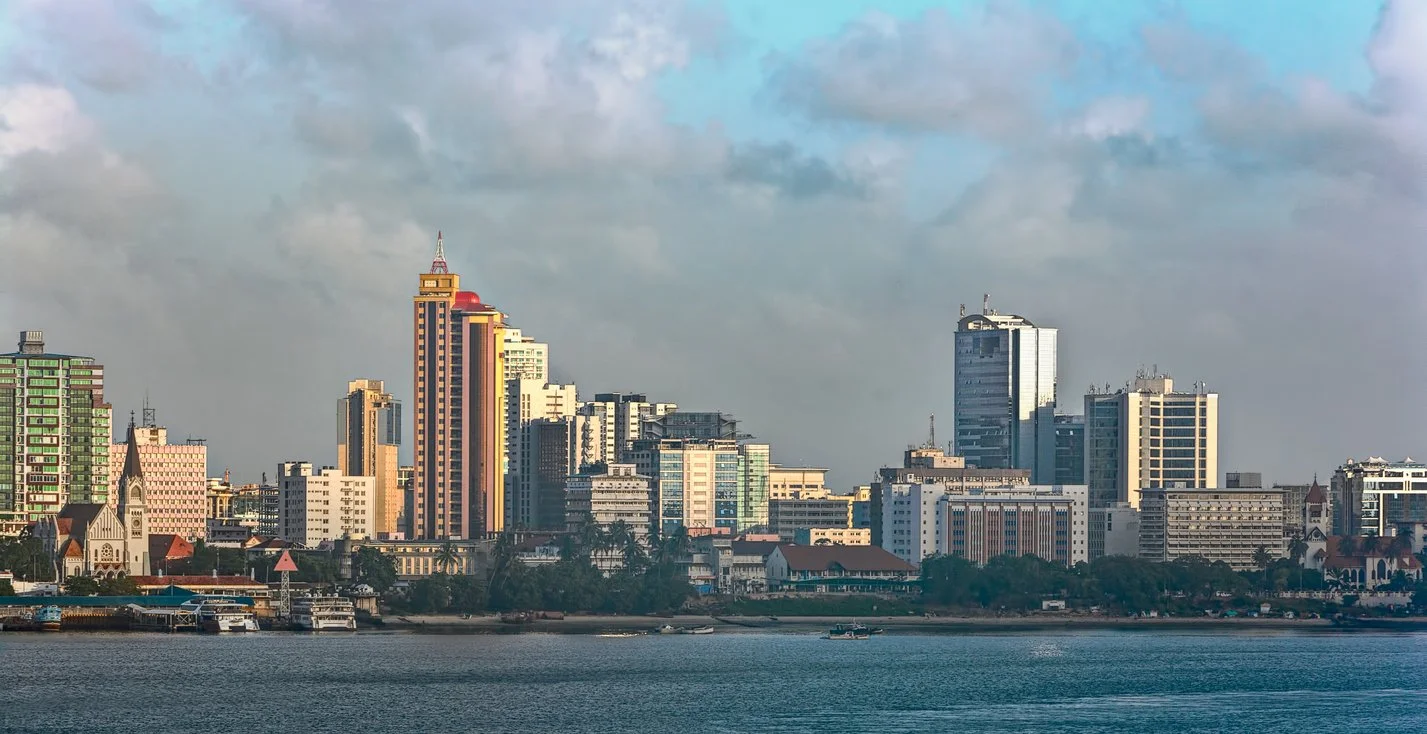
Dar es Salaam’s Public-Private Partnership Centre (PPPC) is an independent agency mandated to mobilise $20 billion in private investment for infrastructure by 2025. As a newly established institution, it is still building the capacity required to deliver on this ambition. GGF provides embedded technical support to strengthen institutional systems and strategic frameworks, train accredited PPP professionals, and enhance project pipeline development and investor engagement. By accelerating institutional readiness and reinforcing investor confidence, GGF is helping to lay the foundations for increased private investment in Tanzania’s infrastructure sector.
Strengthening sustainable tourism in Zanzibar

GGF is supporting Zanzibar’s Ministry of Tourism and Heritage to develop a sustainability certification framework that will help the isles transition from mass tourism towards a more socially and environmentally sustainable model. This initiative supports the archipelago’s long-term vision for a ‘Greener Zanzibar’ and reflects a strategic shift towards higher-value, lower-impact tourism that protects natural resources and strengthens community benefits. It follows Zanzibar’s 2023 Declaration on Sustainable Tourism, which requires all large-scale hotels and tourism operators to be internationally certified by the end of 2026, and sets clear standards for environmental performance, social responsibility and sector accountability.
PHOTO CREDITS: Home page, main image Media Lens King. News (from right): Tempura, Bianca Thielke, Intek1, Golerol. Carousel (in order): Elen Marlen, Wirestock, GomezDavid, Den-belitsky, Zelikosantrac, Bianca Thielke, Zelikosantrac, Rchphoto, Andrey Gudkov, Hispanolistic, Real2Reel/NEI, About Us page: © Neema Jodie, GGF. This page (top from left): ©Mihailomilovanovic; Neema Jodie/GGF; Media Lens King; PeopleImages. Carbon: Elen Marlen; Hadynyah; Dark Earth Carbon (adapted from Wilson, 2013, and based on Biochar Solutions Inc, 2011). Investment: Olva Solodenko; Tempura; Intek1. HVC: Laranik; Maximum Foto. TAF: © Cecilie Arcurs; Den-belitsky. How We Work page: Neema Jodie/GGF. Our Goals page: GettyTim82.